
Industry
Coal injection measurement for steel plants
GTS measures coal dust continuously in the conveying lances that feed a blast furnace. Knowing the flow in each lance helps prevent thermal imbalance in the furnace and lets operators react quickly when a line stops.

- Coal dust flow in dense-phase conveying
- Main lance and single lance monitoring
- Moisture in coal dust
- Fast response to production stops
Why measure
Keep every lance feeding the furnace evenly
A blast furnace fired with coal dust depends on every injection lance carrying its share. If one lance clogs or slows, the furnace heats unevenly, and the cause is hard to see from the control room without a measurement on each line.
GTS measures the total flow in the main lance and monitors each single lance, so a drop in one line shows up as a signal right away.
- Coal flow metering in the main firing lance with DensFlow
- Dense-stream coal dust flow metering with DensFlow
- Flow / no flow monitoring of single lances with FlowJam
- Online moisture measurement of coal dust with M-Sens
Tell us the number of lances, the line size and the conveying pressure, and we will recommend a setup.

Application examples
GTS systems in steel plants
View DensFlow →

View M-Sens 2 →

View FlowJam S →

View FlowJam S →

View FlowJam S →

View DensFlow →

View DensFlow →

View DensFlow →
Systems for this industry
Measurement systems used in steel plants
 Solids flow metersDensFlowContinuous flow metering of powders and granules in pneumatic dense-phase conveying and at high throughput, with an open measuring tube.View DensFlow →
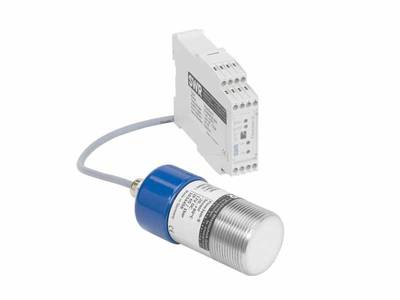 Flow / no flow detectionFlowJam SMicrowave detector that signals flow or no flow for solids of all types. Sees through deposits and non-conductive walls.View FlowJam S →
 Moisture measurementM-Sens 2Continuous moisture measurement in dry bulk solids. Records surface and capillary moisture, independent of the material flow.View M-Sens 2 →
Common questions
Steel and foundry FAQ
Why measure coal dust flow in each lance?
Uneven flow between lances causes thermal imbalance in the blast furnace. Continuous measurement shows which lance has dropped, so operators can react quickly to a blockage or a production stop.
How is coal dust measured in dense-phase conveying?
DensFlow meters powders and granules continuously in pneumatic dense-phase conveying and at high throughput. The measuring tube is open and there are no mechanical parts in the line.
How are single lances monitored?
FlowJam signals flow or no flow on each lance with microwaves, without contact with the coal. It detects both clogging and standstill.
Can GTS measure moisture in coal dust?
Yes, online with M-Sens. M-Sens 2 records surface and capillary moisture and covers 0 to 65% depending on the material.
Does GTS work with foundries too?
Sensors are chosen by the material and how it is conveyed, so any foundry process that moves powder, dust or granulates is a candidate. Send us the details and we will tell you which principle fits.
Talk with GTS
Have an injection line to measure?
Tell us the material, the line size and how it moves. We will tell you which measurement principle fits and what to expect from it.