
Industry
Measurement for the wood products industry
GTS measures moisture, mass flow and filter condition in wood processing, from bark and shavings to finished pellets. Each system is matched to the material, the way it is conveyed and what the process needs to achieve.

- Moisture in shavings, bark and chips
- Mass flow of pellets and sawdust
- Flow / no flow on free-fall chutes
- Filter damage monitoring on the clean-gas side
Why measure
Moisture decides pellet quality
Wood shavings and bark arrive with moisture that changes from load to load. Too wet or too dry and pellet quality suffers, and the dryer burns fuel it didn't need to. Measuring residual moisture online lets the dryer respond to the material on the belt instead of to the last lab sample.
The same lines also need to know how much is moving and whether it has stopped. GTS covers both with sensors that sit outside the material stream or measure in free fall.
- Residual moisture in shavings and bark with M-Sens
- Pellet mass flow at high rates with MaxxFlow HTC
- Sawdust flow metering with SolidFlow
- Pellet flow / no flow with FlowJam
- Filter damage monitoring with Dusty
Send us the material, its particle size and how it is conveyed, and we will recommend a sensor.

Application examples
GTS systems in wood processing

View M-Sens 2 →

View M-Sens 2 →

View Dusty →
View MaxxFlow HTC →

View FlowJam S →

View SolidFlow 2.0 →
Systems for this industry
Measurement systems used in wood processing
 Moisture measurementM-Sens 2Continuous moisture measurement in dry bulk solids. Records surface and capillary moisture, independent of the material flow.View M-Sens 2 →
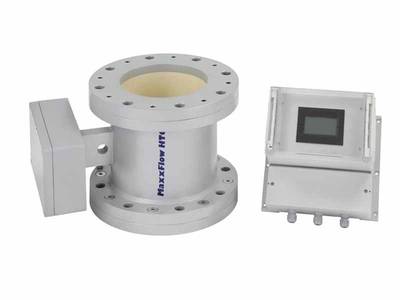 Solids flow metersMaxxFlow HTCFall-through meter for high mass flow rates after mechanical conveyors, with a completely open cross-section.View MaxxFlow HTC →
 Solids flow metersSolidFlow 2.0Microwave mass flow measurement of dust, powder and granules in metal pipes, in free fall or pneumatic conveying.View SolidFlow 2.0 →
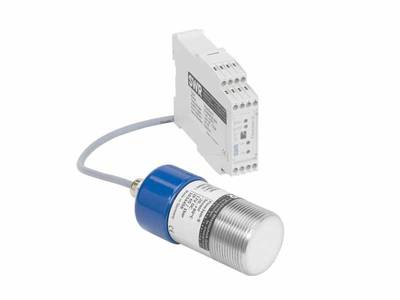 Flow / no flow detectionFlowJam SMicrowave detector that signals flow or no flow for solids of all types. Sees through deposits and non-conductive walls.View FlowJam S →
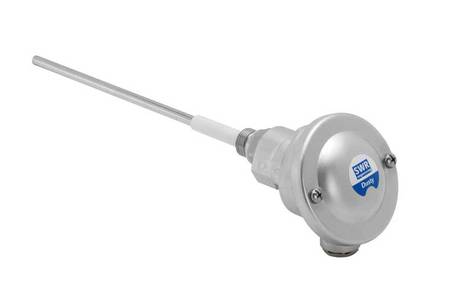 Dust emission monitoringDustyTriboelectric filter monitor for the clean-gas side. Detects filter breaks without delay and works with all dust types.View Dusty →
Common questions
Wood products FAQ
What can GTS measure in a wood processing plant?
Moisture in shavings, chips and bark, mass flow of pellets and sawdust, flow or no flow in free-fall chutes, and filter damage on the clean-gas side of a dust collector.
How is moisture measured in wood shavings or bark?
With M-Sens, which measures online on a conveyor or carriage. M-Sens 2 records surface and capillary moisture, covers 0 to 65% depending on the material, and is temperature-resistant up to 120 °C (248 °F).
Can you measure wood pellet mass flow at high rates?
Yes. MaxxFlow HTC is a fall-through meter installed after mechanical conveyors such as screws and rotary valves. The cross-section stays completely open and there is no real upper limit on mass flow.
How do I know a pellet chute has stopped flowing?
FlowJam detects flow or no flow with microwaves, without touching the material. It sees through deposits and non-conductive walls and picks up both clogging and standstill.
Does a filter monitor work with wood dust?
Dusty works with all dust types. It mounts in the clean gas duct after the filter, detects filter damage immediately and gives an alarm output, with an optional 4 to 20 mA trend signal.
Talk with GTS
Have a wood process to measure?
Tell us the material, the line size and how it moves. We will tell you which measurement principle fits and what to expect from it.